Uncategorized

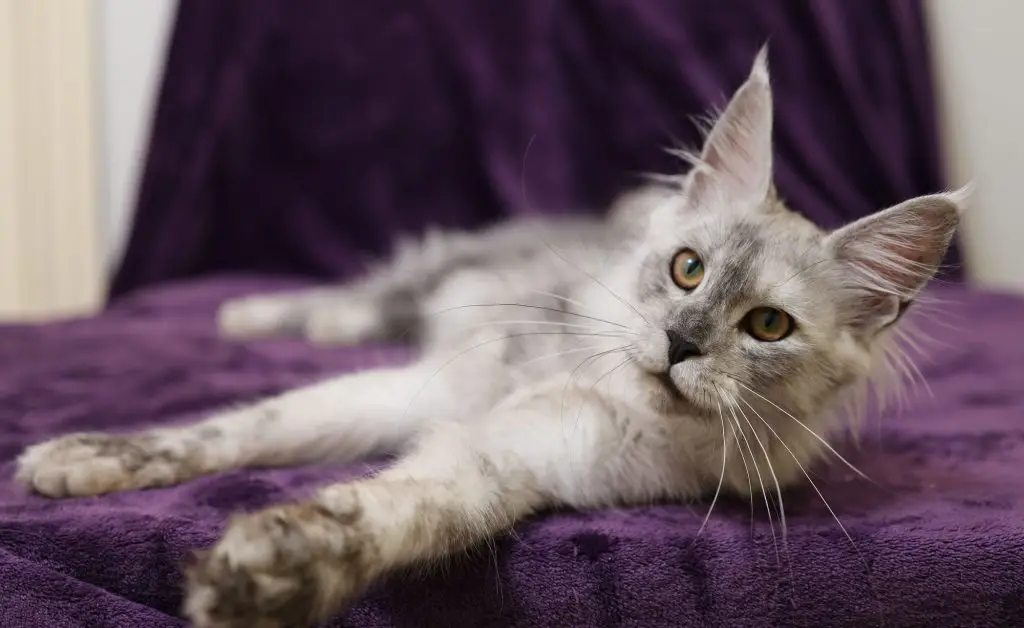
A cat laying on top of a purple blanket.
Uncategorized

Can Maine Coon Cats Go Outside?

Maine Coon kittens and cats are a much-loved cat breed across the globe. However, many people debate whether these imperial cats belong inside the house or should be allowed outdoors! This has been an exceedingly emotional subject for many years. With many divided beliefs on the viewpoint. We have decided to break it down and present simplified facts so you can decide for yourself easily.  Maine Coons, Ah! Tale says that these majestic felines used to be wild outdoor cats. However, they have been domesticated over the years and now reside with humans. Generally, you will never have difficulty domesticating a Maine Coon kitten and adjusting them to your family. As long as your Maine Coon kitten comes from a reputable breeder, the work is done for you by the time you receive your precious cargo. Whether your Maine Coon kitten should be allowed outside your residence rests on many factors, like agreements with the breeder, your locality, predator attacks, safe movement of the felines, and your personal viewpoint. In this article, we will discuss all aspects of the debate and assist you in deciding for yourself whether your Maine Coon cat should live indoors or explore the outdoors. What kind of cat is a Maine Coon? Are they indoor cats or outdoor cats? The Maine Coon breed is recognized for being the most giant domesticated breed in the world, weighing up to a stunning 25 pounds! However, these adorable and family-friendly felines were only occasionally domesticated in the past. They are thought to have originated in the wilderness of Maine, the United States. And yes, unlike any other cat breed, the Maine Coon cats can be accustomed to bitterly cold weather due to their upbringing in the wilderness of Maine. They are also quite skillful in climbing trees and hunting prey.  The harsh weather of Maine has helped them evolve in developing a water-repellent thick furry coat that can keep them warm during the most brutal of winters. Considering their wild origins, it’s pretty easy to understand the vast debate on whether Maine Coons cats should be kept indoors or outdoors. However, let’s also consider their history of living with humans and in the safety of warm homes. Rightfully so, many people believe that these majestic felines should be kept indoors rather than being advocated to roam outside.  Here is Our Take on Maine Coons Kittens and Cats and Where They Should Reside: While some believe there is no straightforward right or wrong side to this debate since both sides are logical and legit in their own right. And ultimately, both owners’ viewpoints have a place in this excellent cat debate! At EuroCoons Maine Coon Cattery, we firmly believe and require by contract that our precious Maine Coon Kittens and Cats are kept strictly indoors.  Ultimately, the past is history, and we are in the 21st century now. And there are quite a few threat zones for any cat outside your home. Anything and everything, from moving vehicles, wild predators, poisonous plants, and insects, not to mention other people who would love to own your majestic feline at no cost. Keep your Maine Coon or even rescue cat inside and avoid many problems and, most notably, heartache!
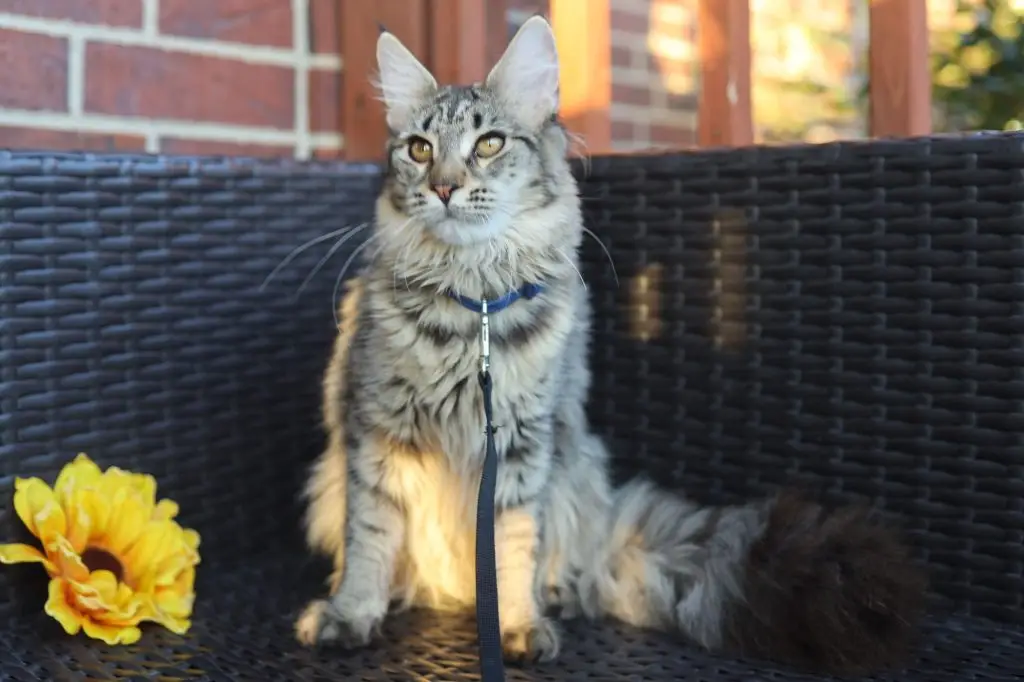
A cat sitting on top of a wicker chair.
Uncategorized

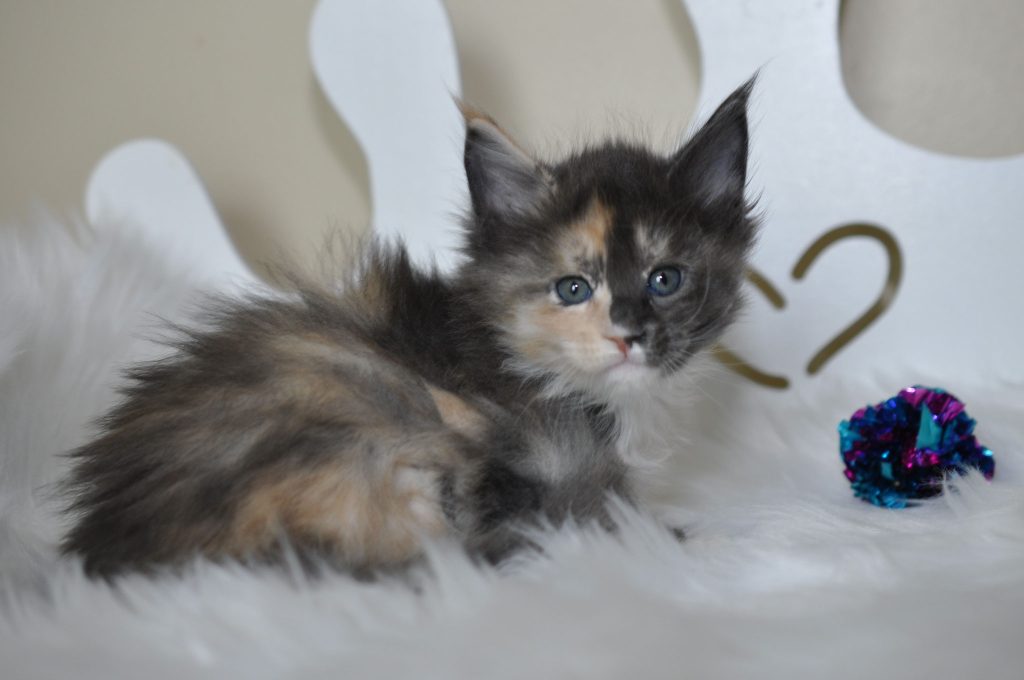
How Much Space do You Need For a Maine Coon Kitten?

Are you considering a Maine Coon kitten as a new family member? Then you may wonder if your home can accommodate this giant Maine Coon kitten and cat when they reach full maturity.  Giving some thought to how much space these extra-large kittens will need is a critical question you should ask yourself before deciding to bring a Maine Coon kitten into your life.  Since, Maine Coons cats are more prominent than regular house cats they have special space requirements that potential owners should keep in mind.  The Male Maine Coons are usually bigger and stronger than the female species. However, although rare, you can find a substantial female Maine Coon cat as well. It’s a well-established fact that Maine Coon cats demand space to wander and explore their territory. They also require a secure personal space to retreat without having any disturbance. They can live and be content in a medium to large-size bungalow or apartment, provided they get adequate attention, exercise, and a great outside view. These giant cats need special attention and want their owners to play with them quite often. To ensure you have the space requirements for a Maine Coon kitten, continue reading this article. Maine Coon Size Maine Coons are majestic and loving big cats. They are keen to love and seek much attention from their family. As we already know, the Maine Coon kittens are more significant in size than most domesticated cat breeds across the globe. Their height generally ranges from 10-16 inches and will grow in length to 19-40 inches long. Some even more! A full-grown Maine Coon cat could reach between twenty and thirty-five pounds in weight alone. The size of both the male and female species can be almost identical. EuroCoons Maine Coon Cattery’s kittens are known to grow unusually long and heavy with proper diet, following our guidance on the feeding schedule and supplements. Since these cats are indeed gentle giants, ideally, they need a larger space to reside and grow, primarily if they are not engaged in frequent games and exercise.  Territory Over the years of professional breeding, these cats have become quite strong and agile and are incredibly fun-loving and playful.  These majestic felines also love to stretch their athletic, long legs by traveling their owner’s home. So your home is considered a personal territory by your Maine Coon cat. They also keep an eye on the nearby cat trees and tall furniture. And love to jump from one tree to another. That is why you need plenty of room for a few extra large and sturdy cat trees, as our Maine Coon cats are very well known to throw the trees to the side while completing their massive jumps. Space Requirements Considering all the above factors, let us finalize how much space a Maine Coon kitten would need if you are planning to get one. Truthfully, there is no exact home size requirement for a Maine Coon cat. However, an average or small-size apartment won’t be abundant for these big cats. Confining a Maine Coon cat within a small apartment or space would make them quite uncomfortable and unhappy, triggering depression and potential behavior issues. So, suppose you live in a small apartment and are eager to own a Maine Coon kitten. In that case, you should be willing to take it out for regular walks on a harness and leash and play in the garden or park regularly. The alternative will be moving into a bigger house. Tags: Maine Coon Kitten, maine coon cat, space for maine coon, living environment for a maine coon kitten and cat

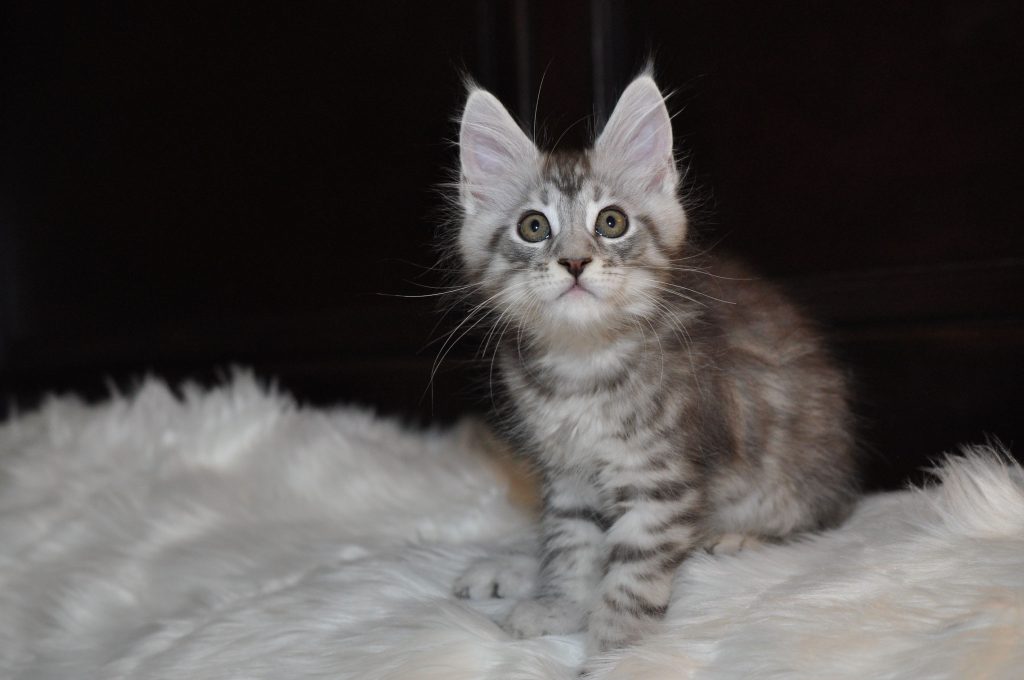
A cat sitting on top of a white blanket.
Uncategorized

How to Find Legitimate Maine Coon Breeders and Avoid Scammers When Adopting a Pet

Are you looking to find a Maine Coon kitten for sale, or a Maine Coon cat perhaps, one of the most popular and majestic cat breeds? It’s crucial to find a reputable breeder to ensure a healthy and happy pet. However, with scammers out there posing as legitimate breeders, it’s important to know how to spot the real ones. Here are some tips on how to find genuine Maine Coon breeders and avoid scammers when adopting a Maine Coon kitten or cat. In conclusion, finding a genuine Maine Coon breeder requires thorough research, communication, in-person video calls, and careful observation of their practices and ethics. It’s crucial to be vigilant and cautious when adopting a pet to avoid falling victim to scammers. Remember to trust your instincts and prioritize the health and well-being of the animals. By following these tips, you can find a reputable Maine Coon breeder and provide a loving home to a healthy and happy Maine Coon kitten. With Love,  EuroCoons Maine Coon Cattery 😉 Tags: Maine Coon Breeders, Maine Coon kittens for Sale near me, Reputable Maine Coon Breeders, buy a maine coon cat

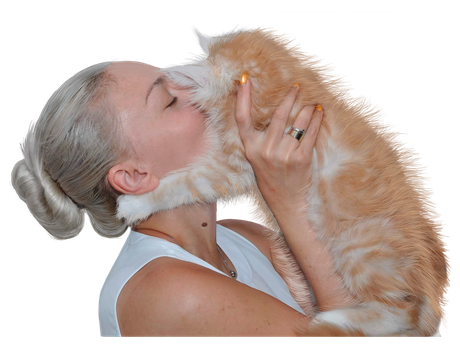
A woman holding a cat in her arms.
Uncategorized

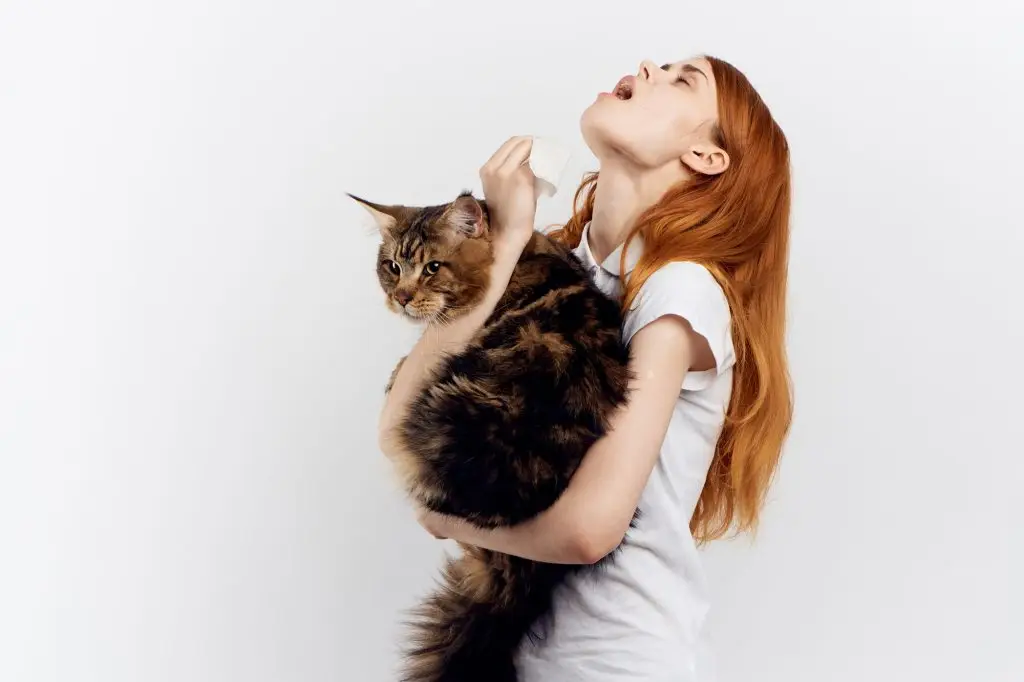
Are Maine Coon Cats Hypoallergenic? Debunking the Myth

For cat lovers who suffer from allergies, finding a feline companion that won’t trigger their symptoms can be a real challenge. Among the many cat breeds, the majestic Maine Coon cat often comes up in discussions about hypoallergenic pets. With their large size, tufted ears, and luxurious fur, Maine Coons are known for their beauty and friendly personalities. But are they really hypoallergenic? Let’s take a closer look at this common myth and uncover the truth about Maine Coon cats and allergies. The Basics of Hypoallergenic Cats Before we dive into the specifics of Maine Coon cats, let’s understand what hypoallergenic actually means. Contrary to popular belief, there is no such thing as a completely hypoallergenic cat. Cat allergies are usually caused by a protein called Fel d 1, which is found in a cat’s skin cells, urine, and saliva. When a cat grooms itself, it spreads this protein on its fur, which can then become airborne and trigger allergic reactions in sensitive individuals. Some cat breeds produce less of this protein or have a different type of coat that may reduce the likelihood of causing allergies. However, no cat breed is completely hypoallergenic. The Myth of Maine Coon Cats as Hypoallergenic Maine Coon cats are often mistakenly believed to be hypoallergenic due to their long fur and tufted ears. However, this is a common misconception. Maine Coons are not hypoallergenic, as they do produce Fel d 1 protein like other cats. They are not known to produce less Fel d 1 compared to other cat breeds, and their long fur can actually trap more allergens, making them potentially more allergenic. Furthermore, Maine Coons are known for their luxurious double coats, which consist of a long, shaggy outer coat and a thick, insulating undercoat. While their fur is undoubtedly stunning, it requires regular grooming to prevent matting and tangling, which can be challenging for individuals with allergies. Grooming a Maine Coon cat may involve brushing their fur multiple times a week, which can release more allergens into the air and exacerbate allergy symptoms. Debunking the Myth: What to Consider if You Have Allergies If you have allergies and are considering getting a Maine Coon cat, there are several factors to keep in mind. While Maine Coons are not hypoallergenic, some individuals with milder cat allergies may still be able to tolerate them. Everyone’s sensitivity to allergens varies, and some people may find that they can live comfortably with a Maine Coon cat by taking certain precautions. Here are some tips for potential Maine Coon cat owners with allergies: Conclusion In conclusion, despite the common myth, Maine Coon cats are not hypoallergenic. They produce Fel d 1 protein like other cats, and their long fur can actually trap more allergens, potentially exacerbating allergy symptoms. However, it’s important to note that individual reactions to cat allergens may vary, and some people with milder allergies may be able to tolerate Maine Coon cats with proper precautions such as regular grooming, cleaning, and the use of allergen-reducing products. If you have allergies and are considering getting a Maine Coon cat, it’s crucial to spend time with them before making a decision and to consult with your allergist or healthcare provider for appropriate management strategies. Ultimately, the decision to bring a Maine Coon cat into your home should be made after careful consideration of your personal health and comfort levels, as well as the commitment to providing proper care and grooming for your feline friend. Tags: where to buy a Maine Coon Cat, are Maine Coon Cats Hypoallergenic, maine coon kittens

A person holding onto a cat with its paw
Uncategorized

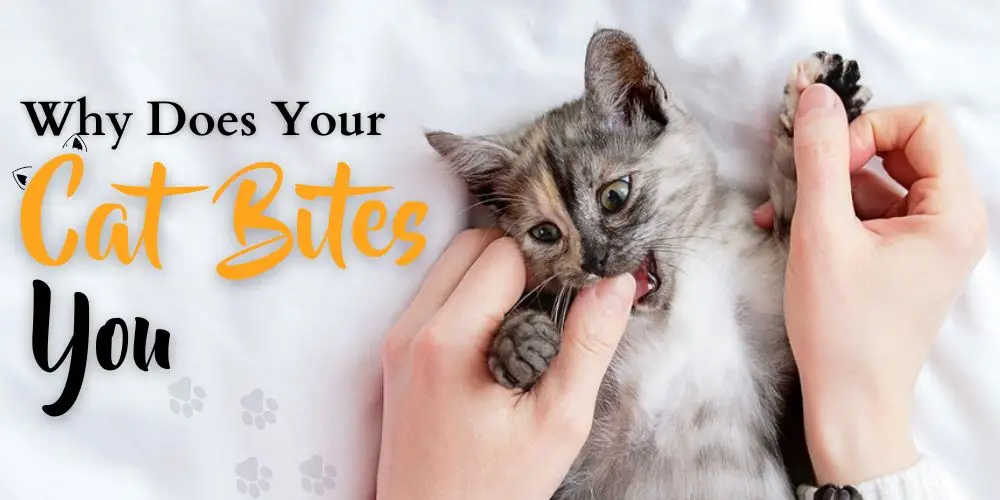
Why Does Your Cat Bite You

Biting is common among cats and can occur for various reasons. It is crucial to realize that cat biting doesn’t always stem from aggression and may have other motivations. Cats possess innate predatory instincts, which manifest themselves in behaviors like biting, pouncing, and clawing during play. Embracing and supporting these natural inclinations is critical to their well-being. However, it’s crucial to strike the right balance between stimulating play and discouraging aggressive behavior. Understanding that biting is part of a cat’s play repertoire can help put their actions into perspective. While it may seem unprovoked at times, it’s often due to their instinctual nature rather than hostility.  What Does It Mean When Cats Bite You Cat biting hands can be a surprising and sometimes painful experience for pet owners. Understanding why your cat bites you is crucial to maintaining a healthy and harmonious relationship with your feline friend. When a cat bites, it is usually a form of communication, expressing various emotions or needs. Firstly, biting can be a way for cats to establish boundaries, indicating they feel threatened or overwhelmed.  Reasons Why Your Maine Coon Cat Bites or Scratches You Maine Coon cats, known for their majestic appearance and playful nature, can occasionally exhibit biting or scratching behaviors that may leave their owners wondering about the reasons behind such actions. Let’s explore why cats bite. Here are some common factors that may contribute to your Maine Coon cat’s biting or scratching tendencies. Genetics One potential reason why your Maine Coon cat may exhibit biting or scratching behavior is rooted in its genetic makeup. Maine Coons are known for their strong hunting instincts, as they originally bred to be skilled mousers. During interactive play sessions, these instincts may manifest in playful pouncing, biting, or scratching behaviors. While it may be a natural behavior for Maine Coons, it is crucial to provide appropriate outlets for their hunting instincts through interactive toys and playtime, redirecting their focus away from biting or scratching you. Your Behavior Your behavior and interactions with your Maine Coon cat can significantly influence its tendency to bite or scratch. Cats are sensitive creatures and may resort to biting or scratching as a response to perceived threats or discomfort. For instance, if you engage in rough play with your cat using your hands or feet, they may interpret it as an invitation to play aggressively, leading to biting or scratching. Similarly, inconsistent boundaries or punishment-based approaches can cause stress and anxiety in your cat, resulting in defensive behaviors. Kittens Play Kitten play is normal behavior exhibited by Maine Coon cats, especially when they are young. Like human babies, kittens explore the world through their mouths and paws, which may involve gentle biting, hand grabs, and scratching. During playtime, kittens learn vital social and hunting skills from their littermates and mother. Yet, kittens who bite a Maine Coon kitten might not have mastered adequate bite inhibition if she had not had the chance to play with her siblings and was taken away from her mother too soon. It can result in playful biting and scratching that may carry into adulthood. Old Age As your Maine Coon cat enters their senior years, biting or scratching behaviors may arise due to various factors associated with aging. One common reason is lessened sensory perception, such as diminished eyesight or hearing. Cats may become startled or defensive when approached or touched, leading to defensive biting or scratching. Additionally, older cats may experience age-related conditions like arthritis, which can cause discomfort and pain. They may lash out if touched in sensitive areas. It’s crucial to provide your senior Maine Coon with a comfortable environment, including cozy resting spots and accessible litter boxes, to minimize stress and discomfort. Feeling Scared Biting or scratching is a natural reason when a Maine Coon cat feels scared or threatened. Cats are wise animals that interpret certain situations or stimuli as potential dangers. Loud noises, sudden movements, unfamiliar visitors, or even changes in the household environment can trigger fear in your Maine Coon, leading to defensive behaviors. It’s critical to create a safe and secure environment for your cat by providing hiding places or elevated perches where they can retreat and feel protected. Hunger Hunger can be a significant factor behind biting or scratching behavior in Maine Coon cats. Similar to other living things, other living beings, cats rely on regular meals to fulfill their nutritional needs. If your Maine Coon is feeling hungry or has an inconsistent feeding schedule, it may resort to biting or scratching as a means of communication or a plea for food. It’s essential to establish a consistent feeding routine and provide an adequate potency of high-quality cat food to meet their dietary requirements.  They May Be in Pain Biting or cat grabbing can be a way for Maine Coon cats to express that they are experiencing pain or discomfort. Cats are masters at hiding their pain, and it can be challenging to detect underlying health issues. However, if your Maine Coon suddenly exhibits biting or scratching behaviors that are out of character, it could be a signal that they are in pain. Dental problems, joint issues, urinary tract infections, or other medical conditions may cause them discomfort, leading to defensive reactions.  Conclusion Understanding why your Maine Coon cat grabs or scratches is essential for maintaining a harmonious relationship and addressing any underlying issues. A lot of factors, including genetics, behavior, kitten play, old age, fear, hunger, or pain, can contribute to these behaviors. Remember, patience, love, and proper understanding can go a long way in creating a safe and fulfilling environment for all of you and your feline companion. All cat lovers! Introducing EuroCoons Maine Coon Cattery, where feline dreams come true. Are you ready to bring home the perfect companion? Our fantastic cattery specializes in breeding majestic Maine Coon cats, renowned for their regal appearance and gentle nature. Don’t miss this opportunity to bring home the cat of your dreams. Visit EuroCoons Maine Coon Cattery today, where excellence

A cat is laying on the bed and stretching
Uncategorized

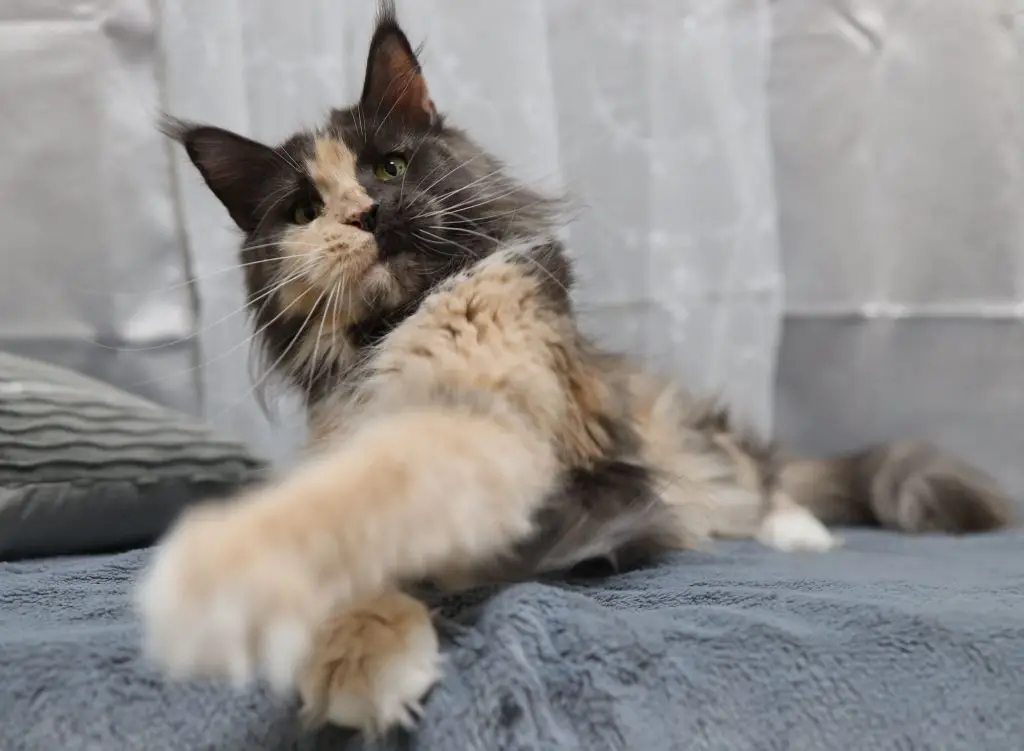
How to Train Your Maine Coon Cat: Tips and Tricks

Training your Maine Coon cat can be a rewarding experience for both you and your furry companion. These majestic cats are known for their intelligence and affectionate nature, making them a great pet for any household. In this article, we will provide you with tips and tricks to train your Maine Coon cat. 1. Start with Basic Commands Before you start training your Maine Coon cat, it is important to begin with basic commands such as “sit,” “come,” and “stay.” These commands will help your cat understand what you expect from them and will make future training easier. 2. Use Positive Reinforcement Positive reinforcement is the best way to train your Maine Coon cat. Use treats, praise, and affection to reward good behavior. Avoid using punishment or negative reinforcement as these can cause fear and anxiety in your cat. 3. Be Consistent Consistency is key when training your Maine Coon cat. Use the same commands and rewards every time you train. This will help your cat understand what is expected of them and will make training more effective. 4. Keep Sessions Short Maine Coon cats have a short attention span, so it is important to keep training sessions short and frequent. Aim for 5-10 minute sessions a few times a day. 5. Use Toys and Games Using toys and games can make training more fun for your Maine Coon cat. Incorporate toys into training sessions to keep your cat engaged and motivated. 6. Understand Your Cat’s Personality Every cat is different, so it is important to understand your Maine Coon cat’s personality when training. Some cats respond better to treats, while others prefer affection. Adjust your training methods to suit your cat’s personality. 7. Be Patient Training your Maine Coon cat takes time and patience. Do not expect immediate results and do not get frustrated if your cat does not respond right away. Keep training sessions positive and rewarding, and your cat will eventually learn. Conclusion Training your Maine Coon cat can be a fun and rewarding experience. Remember to start with basic commands, use positive reinforcement, be consistent, keep sessions short, use toys and games, understand your cat’s personality, and be patient. With these tips and tricks, your Maine Coon cat will be a well-behaved and happy member of your family.

A cat that is laying down on the floor
Uncategorized

Understanding HCM in Maine Coon Cats: Causes, Symptoms, and Prevention

Introduction: Maine Coon cats are renowned for their majestic appearance and gentle nature. However, like all cat breeds, they are susceptible to certain health conditions. One such condition is Hypertrophic Cardiomyopathy (HCM), a potentially serious heart disease that affects the muscles of the heart. In this article, we will delve into the world of HCM in Maine Coon cats, exploring its causes, symptoms, and ways to prevent and manage this condition effectively. Conclusion: Hypertrophic Cardiomyopathy is a challenging condition that affects Maine Coon cats more frequently than other breeds. By understanding the causes, recognizing the symptoms, and adopting preventive measures, owners and breeders can play a vital role in managing HCM effectively. Regular veterinary care, genetic testing, and a healthy lifestyle are key in ensuring the well-being and longevity of Maine Coon cats, allowing them to thrive and continue enchanting us with their unique charm and grace.

A man holding a cat in his arms.
Uncategorized

Understanding Maine Coon Price: A Transparent Approach

The Value of a Maine Coon Companion At EuroCoons Maine Coon Cattery, we understand that choosing a feline companion is a significant decision. We believe in transparency and want to guide you through the pricing process with humility and respect. Factors Influencing Maine Coon Prices 1. Quality Breeding: Our dedicated breeders invest extensive time, effort, and resources into producing healthy, well-socialized Maine Coon kittens. This commitment to their well-being reflects in the pricing. 2. Pedigree and Lineage: Our kittens come from distinguished lineages, which contributes to their value. These pedigrees showcase the rich history and exceptional traits of the Maine Coon breed. 3. Age: While kittens are generally priced higher due to the investment in their early care and development, we also offer older cats for those seeking a companion with a bit more maturity. 4. Health Screenings and Vaccinations: Our commitment to the health of our kittens is unwavering. They undergo thorough health screenings and receive all necessary vaccinations, ensuring they are ready to thrive in their new homes. 5. Socialization and Training: Each kitten receives personalized attention and early training, setting the foundation for a well-adjusted and affectionate companion. Our Promise of Quality and Care No expense is spared in nurturing our kittens. From premium nutrition to the best supplements for growth, our feline companions receive the highest standard of care. We believe that every kitten deserves a strong start in life. Budgeting for Your New Companion We understand that the cost of a Maine Coon is an important consideration. Beyond the initial adoption fee, it’s essential to budget for supplies, grooming, and ongoing healthcare. Our team is here to offer guidance and support in this process. The Joy of a Lifelong Companion Ultimately, the true value of a Maine Coon goes beyond the initial price. They bring immeasurable joy, companionship, and love to your life. Our kittens are raised to be exceptional members of your family, and we’re honored to be a part of your journey. Connecting with EuroCoons If you’re interested in welcoming a Maine Coon into your home, we’re here to help. Explore our available kittens and feel free to reach out with any questions or concerns. We’re dedicated to ensuring that you find the perfect companion that fits both your lifestyle and your heart. Welcome to the EuroCoons family, where every Maine Coon finds its forever home. Explore Available Kittens

Scroll to Top